This Canakkale Troy Gallipoli transportation guide helps you plan the way from the city centre to the ancient site and to the commemorative areas on the peninsula. Moreover, it compares your options, explains the strait crossing and sets out clearly where vehicles actually stop.
Two shores, three destinations: start with the geography
The first step in planning a trip here is to separate three places. The city of Çanakkale sits on the Anatolian shore of the strait and serves as the accommodation base for most visitors. The archaeological site of Troy is on that same shore, southwest of the centre.
The Gallipoli peninsula, by contrast, lies on the opposite, Thracian shore. Its commemorative areas, war cemeteries and museums are spread across a wide landscape. Therefore, you need to plan at least one crossing between the two shores.
This guide is not a booking page. Its purpose is to explain which questions to ask and how the journey generally works. In fact, the transport Vanvia plans is only one of the real options discussed here.
Your transport options, and the limits of each
There are four basic options in the area. First, your own car or a rental is the most flexible; in exchange, you plan the parking and the strait crossing yourself. Next, on the public-transport side, intercity coaches and local minibus lines are the usual choice.
The third option is a group tour run by a third-party operator. The content, the guide and the timings of such a tour belong entirely to that operator. However, Vanvia offers no such service and holds no partnership with any tour company.
The fourth option is a journey planned in advance with a chauffeured vehicle. Most importantly, the departure hour and the order of stops are yours here. In exchange, everything outside the transport itself — a guide, tickets, attending a ceremony — remains your own arrangement.
Crossing the strait: the ferry lines and the bridge
There are two basic ways across to the Gallipoli peninsula. The first is the car-ferry lines between the two shores, chiefly the crossings linking Çanakkale with Eceabat and Kilitbahir. The second is the road bridge that spans the strait.
Sailing times, capacity, tickets and crossing charges belong to the operators and authorities that run them. For this reason, we publish no timetable, no crossing duration and no fare here. Therefore, confirm current details directly with them before you travel.
In practice, which crossing suits you depends on where you begin and end your day. At busy times the queue of vehicles near the pier can grow, so leaving yourself a flexible margin genuinely helps.

Reaching Troy, and where the vehicle actually stops
You reach the site of Troy along a rural road southwest of central Çanakkale. Visitors first arrive at the public reception and parking area outside the site itself. That is where the driven part of the journey ends.
In other words, no vehicle moves among the ruins or through the pedestrian area. Inside, you follow the marked walking routes, so comfortable shoes and clothing suited to the season genuinely help.
Visiting hours, entry conditions and museum arrangements are set by the relevant institution. For this reason, confirm current details with them before your visit; this guide publishes no ticket price and no opening hour.
If you want the vehicle to wait, plan that from the outset. We state waiting conditions, and any effect they have, openly before booking.

Reaching the commemorative areas on the Gallipoli peninsula
The Gallipoli peninsula is the ground on which the First World War campaign was fought. Today it holds war cemeteries belonging to several nations, memorials, and places of remembrance such as ANZAC Cove. For visitors from many countries, it is a place of commemoration.
In transport terms, the peninsula is usually entered through Eceabat, while the Kabatepe area is a common reference point for moving around within it. The commemorative sites are linked by public roads, and each has its own parking or set-down area.
As a result, vehicles stay on those public roads and in those parking areas. They do not enter the cemeteries, the memorial grounds or the areas of remembrance around the cove; inside them you move on foot.
On days of remembrance and during official ceremonies, the arrangements for the area can change. The responsible authorities make those arrangements. Therefore, confirm current conditions with them before you fix your visiting date.
Vanvia plans the transport to these places only. It provides no guiding, no tour programme, no ceremony access and no museum-entry arrangement; those remain yours to organise.
How much is realistic to plan in one day?
Because Troy and the peninsula's commemorative areas sit on different shores, squeezing both into one day is usually tiring. Moreover, the strait crossing adds its own uncertainty to the schedule.
For this reason, many visitors split the days: one for the ancient site, one for the peninsula. That way you can move through both without rushing.
Consequently, we make no firm commitment about duration. Road, weather and crossing conditions change from day to day. We share a current estimate when you book and build the programme around it together.
Planning for family, luggage and comfort
A day out in this area can run long, and most stops involve walking. Therefore, water, clothing suited to the season and comfortable shoes are the most practical preparation.
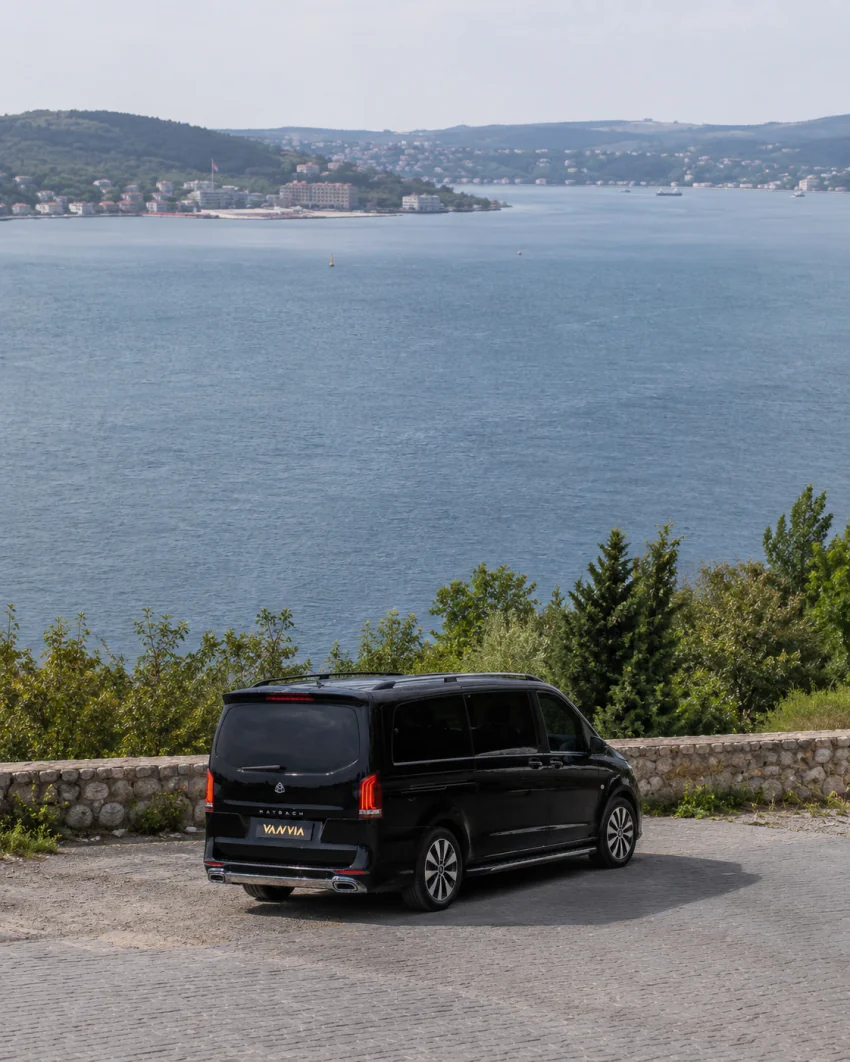
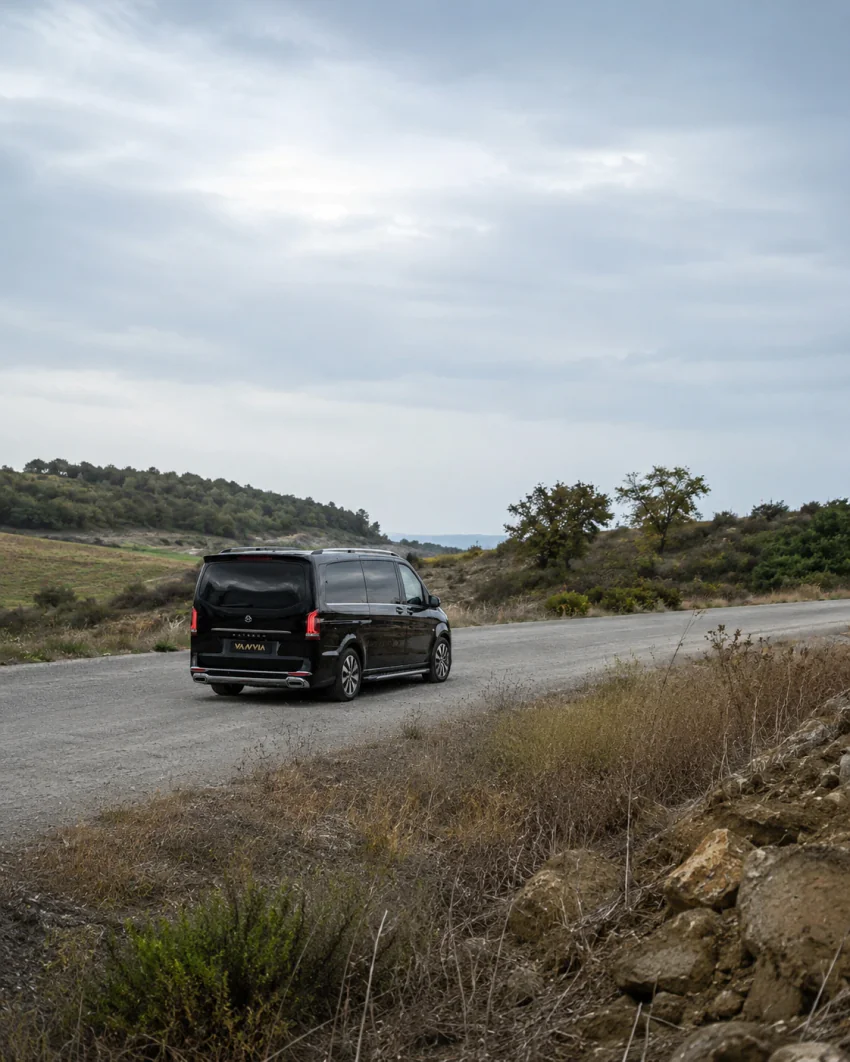
If you plan the day with a chauffeured vehicle, the Mercedes-Benz Vito VIP cabin offers generous room for 1-8 passengers and their bags. This way, the group follows one programme instead of splitting across cars.
You can request a baby seat (0–4) during reservation. Availability is confirmed before booking.

A checklist before you set off
Settling a few points before you set off makes the rest of the day easier. The list below is a short summary of what this guide covers.
If you want to plan the transport with a chauffeured vehicle, share your route and date to request a price from Vanvia. Transport needs across Çanakkale province, meanwhile, are covered on their own page.
- Confirm visiting hours and entry conditions with the relevant institution.
- Get sailing and ticket information for the crossing from the operator.
- Ask in advance about arrangements that may apply on days of remembrance.
- Prepare on the basis that every stop involves walking.
- Plan any guide, tour or museum arrangements yourself.